
Frozen Treats for Sensitive Stomachs are a wonderful way to show your furry friend some love, especially if they struggle with tummy troubles. Here at Homemadeblog, we know how heartbreaking it is to see your beloved dog uncomfortable after a simple treat.
You want to spoil them, but their delicate digestive system often has other plans. Giving your dog a cool, refreshing treat shouldn’t come with the worry of an upset belly later, and with the right approach to frozen treats for sensitive stomachs, it doesn’t have to. It’s all about choosing the right ingredients and preparation methods to ensure their comfort and joy.
What common culprits in frozen treats trigger sensitive stomach issues?
It’s a bummer, but many conventional frozen treats for sensitive stomachs can be a real minefield for pups with delicate tummies. We often assume a treat is “safe,” but hidden ingredients can wreak havoc. Understanding these common culprits is the first step towards offering truly gut-friendly frozen desserts.
Dairy Dilemmas
Many dogs, just like people, are lactose intolerant. That creamy, delicious ice cream we love can lead to bloating, gas, and diarrhea for them. Even a small amount of dairy in frozen treats for sensitive stomachs can cause a big reaction.
Sugar Overload and Artificial Sweeteners
Excess sugar isn’t good for anyone, especially dogs with sensitive digestive systems. It can upset their gut flora, leading to discomfort. Worse yet, artificial sweeteners like xylitol are highly toxic to dogs, making sugar-free frozen options a tricky landscape if you’re not careful. Always check labels meticulously for frozen treats for sensitive stomachs.
Hidden Allergens and Fillers
Wheat, corn, soy, and certain proteins are common allergens in dog food and treats. These can trigger an inflammatory response in sensitive guts. Many commercial frozen treats contain these cheap fillers, making them unsuitable as easy-to-digest cool desserts for your pup.
Too Much Fat or Rich Ingredients
While some fat is essential, an overload of rich ingredients can be hard to process for a sensitive stomach. Think fatty nuts, heavy creams, or excessive oils. These can lead to pancreatitis or general digestive upset, making careful consideration crucial when selecting frozen treats for sensitive stomachs.
Which soothing ingredients are essential for crafting digestive-friendly frozen delights?
When it comes to creating truly beneficial frozen treats for sensitive stomachs, the secret lies in harnessing ingredients known for their calming and digestive-supporting properties. These aren’t just fillers; they’re powerhouses designed to nurture your dog’s gut. Crafting these gut-friendly frozen desserts means thinking smart about every single component.
The Power of Pumpkin and Sweet Potato
Pumpkin, especially plain canned pumpkin (not pie filling!), is a superstar for canine digestion. It’s packed with fiber, which helps regulate bowel movements. Sweet potato offers similar benefits, providing vitamins and gentle carbohydrates. Both are fantastic bases for low-FODMAP ice cream alternatives. You can find more ideas for these super ingredients in our Pumpkin dog treats article!
Calming Probiotics: Yogurt & Kefir
For dogs without dairy sensitivities, plain, unsweetened yogurt or kefir can introduce beneficial probiotics to their gut. These live cultures help balance the digestive system. If your dog is dairy-sensitive, opt for coconut-based or goat’s milk kefir for equally effective dairy-free sorbet recipes.
Gentle Fruits and Veggies
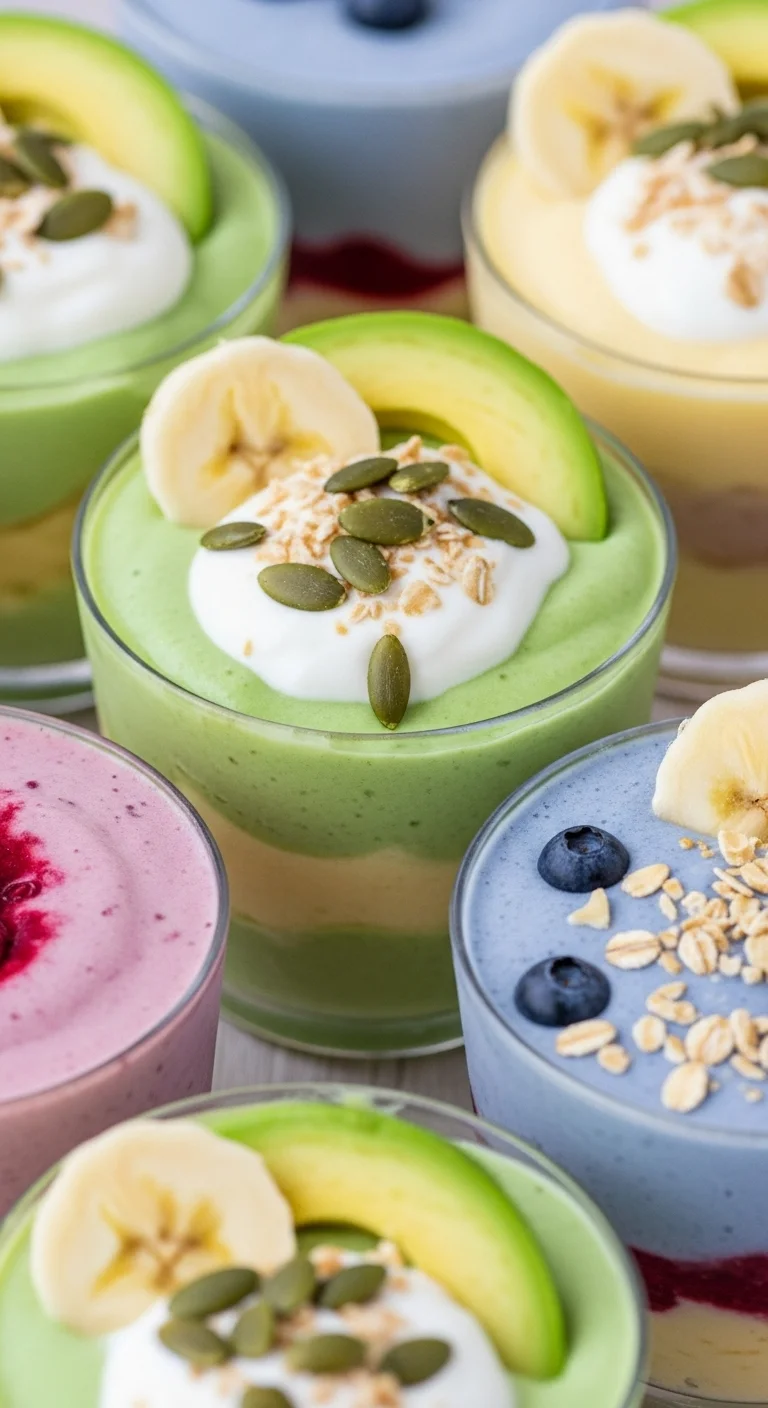
Blueberries, bananas, apples (without seeds or core), and green beans are all excellent, easy-to-digest options. They provide vitamins and antioxidants without irritating a sensitive stomach. These make for delightful and digestive-friendly frozen snacks.
Herbal Helpers and Broths
A little plain, unsalted bone broth, rich in collagen and amino acids, can be incredibly soothing for an inflamed gut. Certain herbs, used sparingly and with vet approval, like ginger or mint, can also aid digestion in IBS-friendly frozen treats.
How can you effortlessly create 5 amazing homemade frozen treats that are gentle on your gut?
Whipping up your own frozen treats for sensitive stomachs at home is simpler than you might think, and it gives you complete control over every ingredient. Forget the guesswork of store-bought options; these easy-to-digest cool desserts will have your pup’s tail wagging without any post-snack woes.
Pumpkin & Peanut Butter Pupsicles
Combine plain canned pumpkin with a dollop of xylitol-free peanut butter and a splash of water or unsalted chicken broth. Blend until smooth, pour into ice cube trays or silicone molds, and freeze. These are fantastic gut-friendly frozen desserts.
Berry & Yogurt Swirls
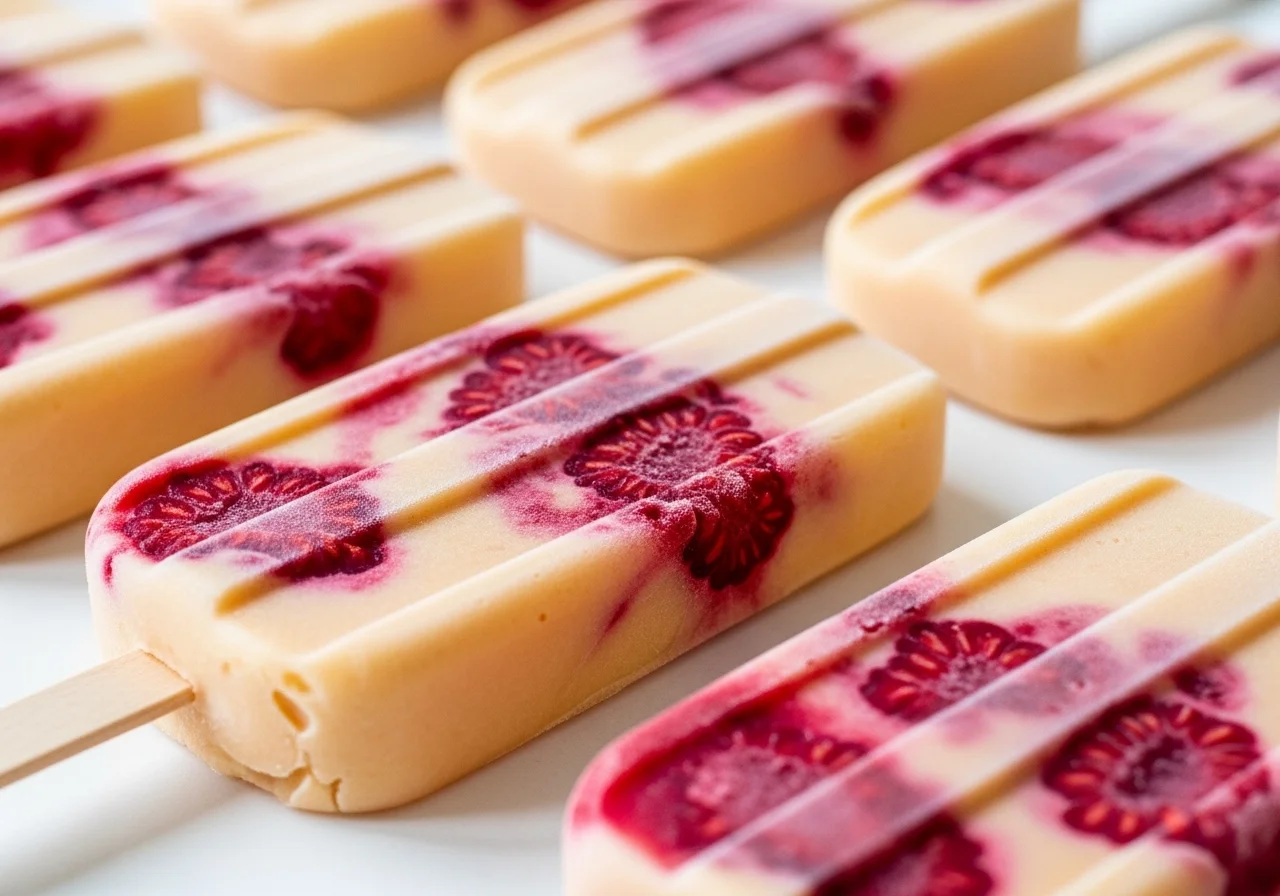
Blend a handful of fresh blueberries or raspberries (avoiding pits) with plain, unsweetened dairy-free yogurt (like coconut or almond yogurt) or a small amount of goat’s milk kefir. Swirl and freeze for delightful dairy-free sorbet recipes that are perfect for summer, perhaps even for a July 4th celebration!
Bone Broth Freezies
This one is incredibly simple and highly beneficial. Just pour unsalted, plain bone broth into ice cube trays and freeze. These are wonderfully soothing IBS-friendly frozen treats, rich in gut-healing properties.
Sweet Potato & Apple Bites
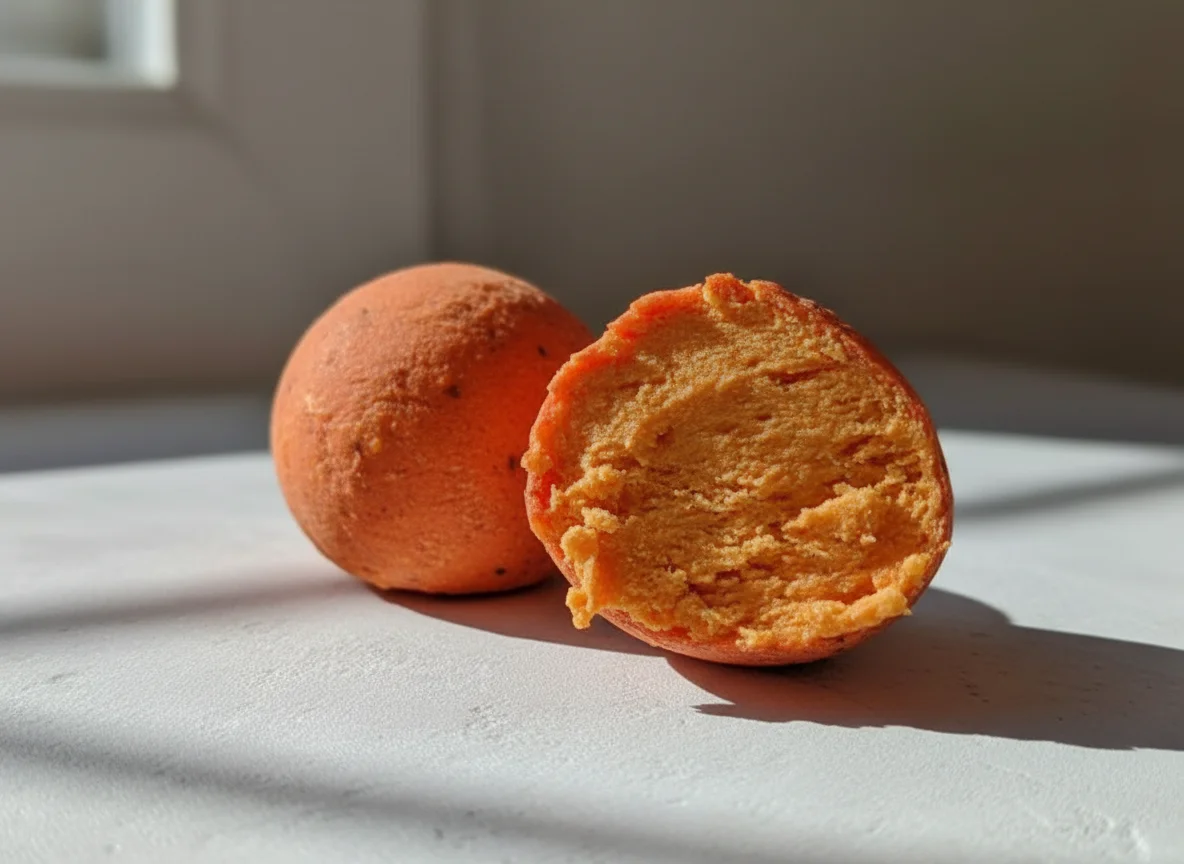
Steam and mash a sweet potato, then mix with a small amount of unsweetened applesauce (ensure no added sugars or spices). Form into small balls, flatten slightly, and freeze on a parchment-lined tray. These make for excellent sugar-free frozen options.
Watermelon & Coconut Water Cubes
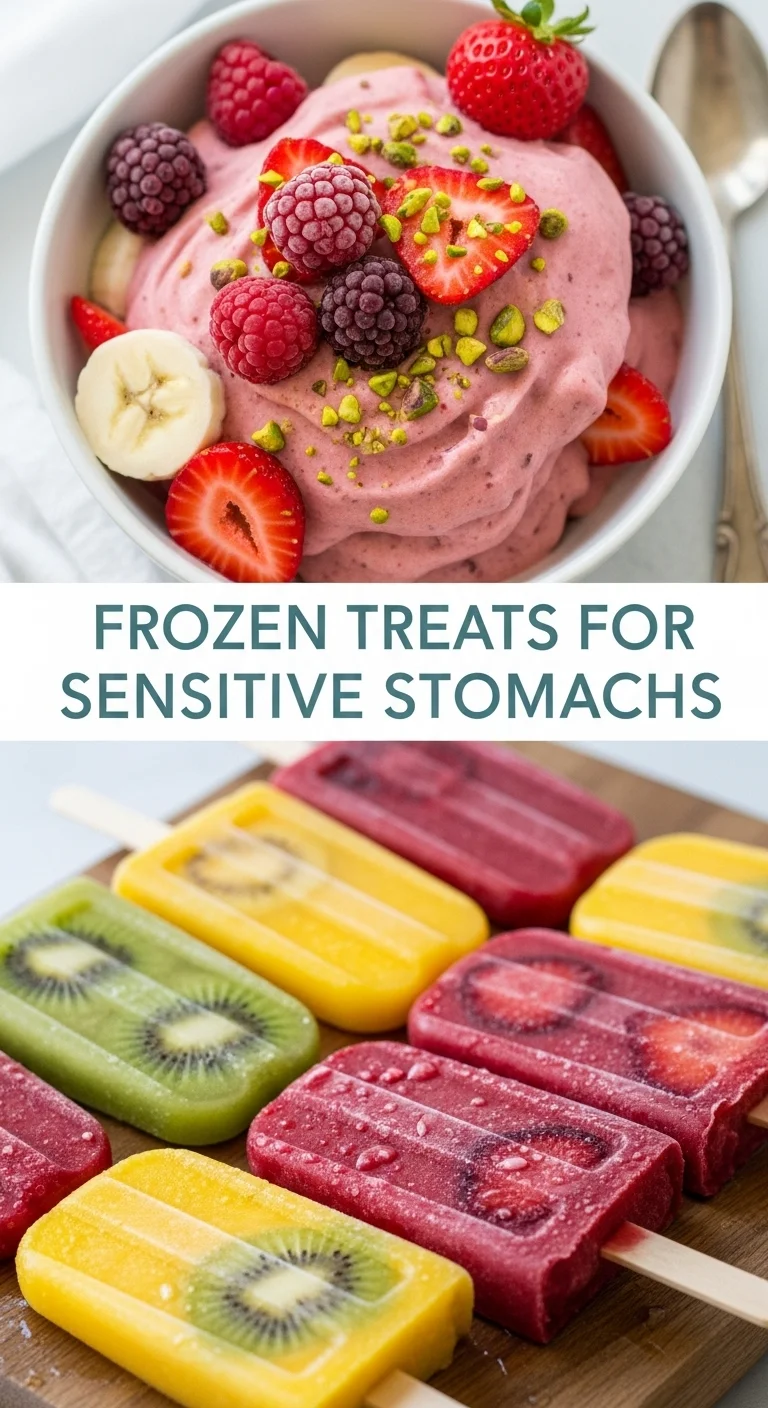
Blend seedless watermelon with a touch of unsweetened coconut water. Pour into molds and freeze. This creates a hydrating and refreshing digestive-friendly frozen snack, perfect for a warm day.
What are the top 5 trusted store-bought frozen treats safe for sensitive stomachs?
While homemade frozen treats for sensitive stomachs are ideal, sometimes you need a convenient, ready-made option. Thankfully, the market is growing, and some brands prioritize canine health. Always scrutinize ingredient lists, but these categories generally offer safer bets for gut-friendly frozen desserts.
Specialized Dog Ice Creams
Look for brands specifically formulated for dogs that are dairy-free or lactose-free. Many use goat’s milk, coconut milk, or fruit bases. These often focus on easy-to-digest cool desserts, reducing the risk of an upset stomach from frozen treats for sensitive stomachs.
Frozen Yogurt Alternatives
Some pet companies offer frozen yogurt designed for dogs, often incorporating probiotics. Again, check for dairy-free options if your dog is sensitive, ensuring these frozen treats for sensitive stomachs are truly beneficial.
Fruit-Based Sorbets (Vet Approved)
While human fruit sorbets are often loaded with sugar, a few pet-specific brands offer fruit-only frozen options. Be incredibly cautious here; always read the label to ensure no hidden sugars, artificial ingredients, or problematic fruits. Consult your vet before introducing any new store-bought IBS-friendly frozen treats.
Limited Ingredient Frozen Chews
Some companies create frozen chews or Lickimats with a short, transparent ingredient list. These might be frozen purees of single vegetables or lean protein, offering a digestive-friendly frozen snack. For example, brands like Primal Pet Foods offer frozen raw options that can be great for sensitive stomachs.
DIY Options from Pet Stores
Consider buying plain, unsalted bone broth or pureed pumpkin from a pet store and freezing it yourself. While not a “treat” per se, it offers a safe, controlled way to provide frozen treats for sensitive stomachs with known, good ingredients.
Beyond ingredients, what crucial serving tips ensure a blissful, discomfort-free frozen treat experience?
Even with the best ingredients, how you serve frozen treats for sensitive stomachs can make all the difference between a happy pup and a gassy one. It’s not just about what they eat, but how they eat it. These simple serving suggestions ensure your dog enjoys their gut-friendly frozen desserts without any unwelcome side effects.
Portion Control is Key
Resist the urge to overdo it! Even the most wholesome frozen treats for sensitive stomachs should be given in moderation. A small amount is often enough to satisfy, and it reduces the overall load on your dog’s digestive system.
“Too much of a good thing can still be too much,” as the saying goes.
Slow and Steady Wins the Race
Some dogs gobble treats down, which can lead to gulping air and subsequent bloating. Consider serving frozen treats in a slow feeder bowl, a Kong, or a Lickimat to encourage slower consumption. This turns a quick snack into a longer, more enjoyable digestive-friendly frozen snack experience.
Temperature Matters
While they are frozen treats, serving them rock-solid can be a shock to a sensitive stomach. Let them thaw slightly for a few minutes before offering. This makes them a bit softer, easier to lick, and less likely to cause a “brain freeze” or tummy upset. This small adjustment can make a big difference for easy-to-digest cool desserts.
Watch for Reactions
Every dog is unique. What works for one sensitive stomach might not work for another. Always introduce new frozen treats for sensitive stomachs slowly and in small amounts. Keep an eye out for any signs of discomfort – gas, loose stools, vomiting – and adjust accordingly. Your dog’s body language is the best indicator of a truly IBS-friendly frozen treat.
Key Takeaways
- Avoid Common Triggers: Steer clear of dairy, excessive sugar, artificial sweeteners, and common allergens when choosing or making frozen treats for sensitive stomachs.
- Embrace Soothing Ingredients: Pumpkin, sweet potato, dog-friendly probiotics (yogurt/kefir), and bone broth are excellent bases for gut-friendly frozen desserts.
- Homemade is Best: Creating your own allows for complete control over ingredients, ensuring truly easy-to-digest cool desserts.
- Scrutinize Store-Bought Options: If buying, opt for specialized dog ice creams or limited-ingredient frozen chews, always checking labels for hidden nasties.
- Serve Smart: Portion control, slow feeding, and slightly thawed treats can prevent discomfort and maximize enjoyment of frozen treats for sensitive stomachs.
Frozen Treats for Sensitive Stomachs
- Prep Time: 15 minutes
- Cook Time: 480 minutes
- Total Time: 495 minutes
- Yield: 5 different frozen treats
- Category: Dog Treats
- Method: Freezing
- Cuisine: Pet Food
- Diet: Sensitive Stomach
Description
These homemade frozen treats are perfect for dogs with sensitive stomachs, providing them with refreshing and gut-friendly options.
Ingredients
- Plain canned pumpkin
- Xylitol-free peanut butter
- Unsalted chicken broth (optional)
- Fresh blueberries or raspberries
- Dairy-free yogurt (coconut or almond)
- Goat’s milk kefir (optional)
- Unsalted bone broth
- Sweet potato
- Unsweetened applesauce
- Seedless watermelon
- Unsweetened coconut water
Instructions
- For Pumpkin & Peanut Butter Pupsicles: Blend pumpkin, peanut butter, and broth until smooth. Pour into molds and freeze.
- For Berry & Yogurt Swirls: Blend berries with yogurt or kefir. Swirl and freeze.
- For Bone Broth Freezies: Pour bone broth into ice trays and freeze.
- For Sweet Potato & Apple Bites: Steam and mash sweet potato, mix with applesauce, form into balls, and freeze.
- For Watermelon & Coconut Water Cubes: Blend watermelon with coconut water, pour into molds, and freeze.
Notes
Always introduce new treats slowly to your dog’s diet and monitor for any adverse reactions.
Nutrition
- Serving Size: 1 treat
- Calories: 50
- Sugar: 0g
- Sodium: 10mg
- Fat: 3g
- Saturated Fat: 1g
- Unsaturated Fat: 2g
- Trans Fat: 0g
- Carbohydrates: 5g
- Fiber: 1g
- Protein: 2g
- Cholesterol: 0mg

Leave a Reply